The Heart of Vitality: How Plant Foods Support Cardiovascular Wellness
In modern healing, the heart often symbolizes emotion and spirit — yet it is also a biological engine rooted in nature, rhythm, and coherence. When we nourish the body with whole-food, plant-based nutrition, we support not just the heart’s mechanics, but its deeper intelligence.
Re-reading the Evidence
Clinical research increasingly affirms that diets rich in beans, legumes, vegetables and whole grains are associated with improved cardiovascular outcomes. One striking mechanism: dietary fibre acts like a “vacuum cleaner” for the vascular system, capturing excess fats and LDL (“bad”) cholesterol and helping clear them from the body’s circulation. UCLA Health
A second key element: plant-based sources of omega-3s — for instance flaxseed’s alpha-linolenic acid (ALA) — may reduce arrhythmias, supporting rhythm, flow and heart health. UCLA Health
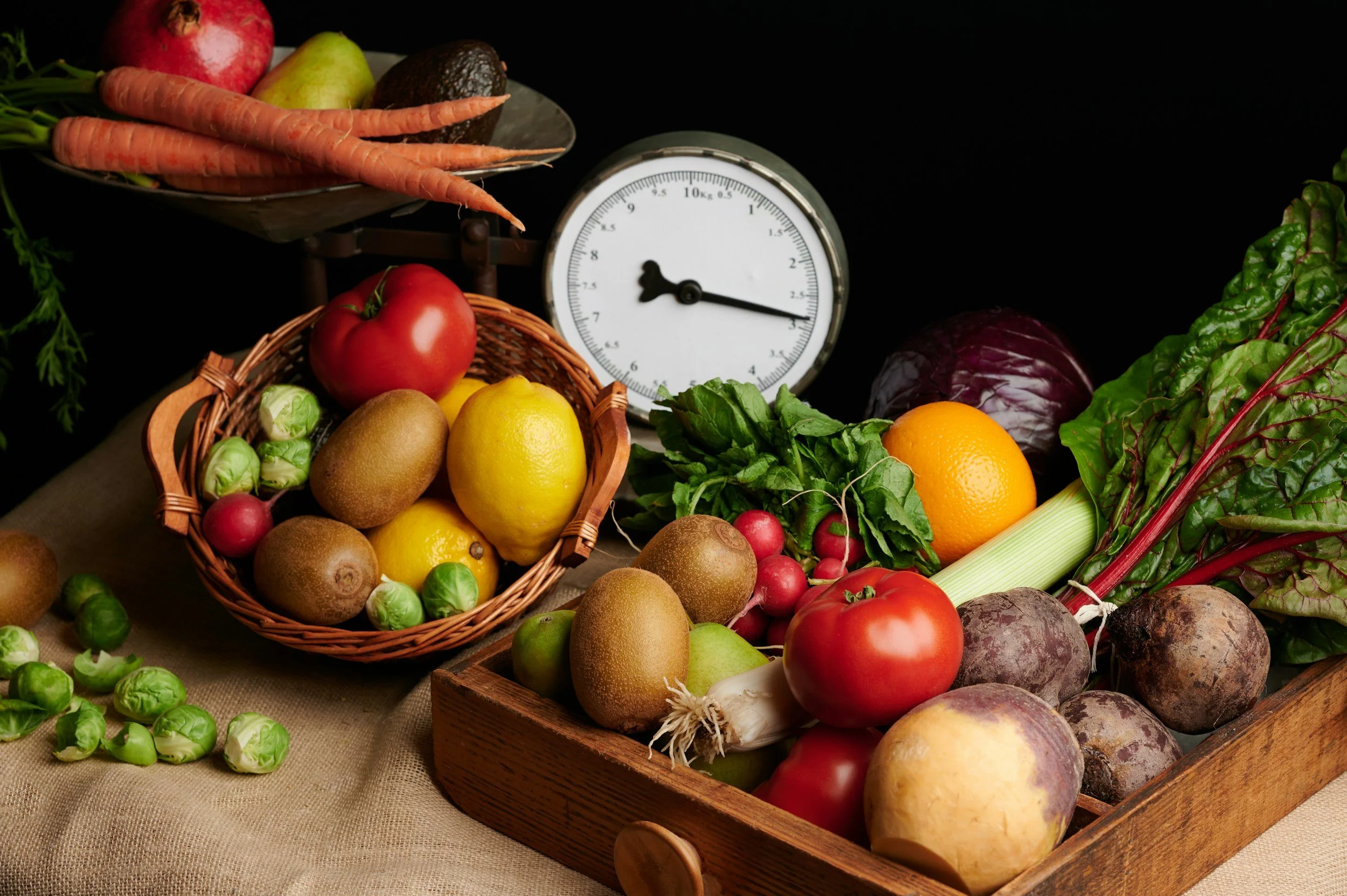
Importantly, a “plant-based diet” is not merely the absence of animal foods. The research emphasises quality: whole, minimally-processed vegetables, legumes, nuts and seeds — not refined grains, sugary snacks or processed vegan options. UCLA Health
Nourish through the NAKED Framework™
Nourish (N): Whole-food plant-based meals feed the body’s architecture; fibre, phytonutrients and plant fats support healthy arteries, metabolism and cellular function.
Awaken (A): Recognising the heart as more than a pump — but as a sensor of rhythm, system and life-pulse — invites us into a deeper relationship with our biology.
Know (K): The evidence is increasingly robust — but it requires translation into lived practice. Understand how nutrients, patterns and lifestyle factors shape cardiovascular health.
Embody (E): Food is medicine, but also ritual. When we ground our meals in presence, variety, and nourishment, we embody the support of our vascular system, nervous system and life force.
Discern (D): Not all “plant-based” means heart-healthy. Discernment means choosing whole, live foods over refined substitutes, prioritising diversity, and rejecting the oversimplified “vegan = healthy” narrative.
Practical Portable Strategies
Daily fibre anchor: Start each day with a high-fibre plant food — e.g., lentils, beans or greens — to begin clearing vascular load and support arterial hygiene.
Varied plant-protein pattern: Rotate legumes, beans and whole grains to satisfy amino-acid completeness and avoid over-dependency on single sources.
Whole-food fats for rhythm: Use flaxseed, chia, walnuts, hemp — rich in ALA — and focus less on fish oils unless clinically indicated.
Quality over label: Choose vibrant vegetables, legumes and whole seeds. Avoid heavily processed vegan foods which can pose hidden metabolic risks.
Lifestyle alignment: Movement, sleep, stress-management— all support cardiovascular resilience. Plant foods set the foundation; lifestyle completes the architecture.
In Summary
The rhythm of your heart reflects more than beats per minute — it mirrors the flow of nourishment, the truth of your biology, and the coherence of your system. By aligning your diet with whole-food plant-based principles and the deep framework of Nourish → Awaken → Know → Embody → Discern, you support not just cardiovascular wellness, but a regenerative human blueprint.