Mycotoxins in Plant-Based Foods: What the Headlines Are Missing
Mycotoxins do not belong to plant-based foods or animal foods.
They belong to the modern food system that stores and processes crops at industrial scale.
A recent study examining plant-based products sold in the United Kingdom has drawn attention across media outlets after researchers detected mycotoxins in all products analyzed.
A recent study examining plant-based products has sparked headlines after detecting mycotoxins in 100% of the samples analyzed. At first glance, the finding may sound alarming. But a closer look at the research reveals a more nuanced story—one that speaks less about plant foods themselves and more about the realities of modern food production and processing.
To understand the implications of this study, it’s important to look at what mycotoxins are, how they form, and what the research actually examined.
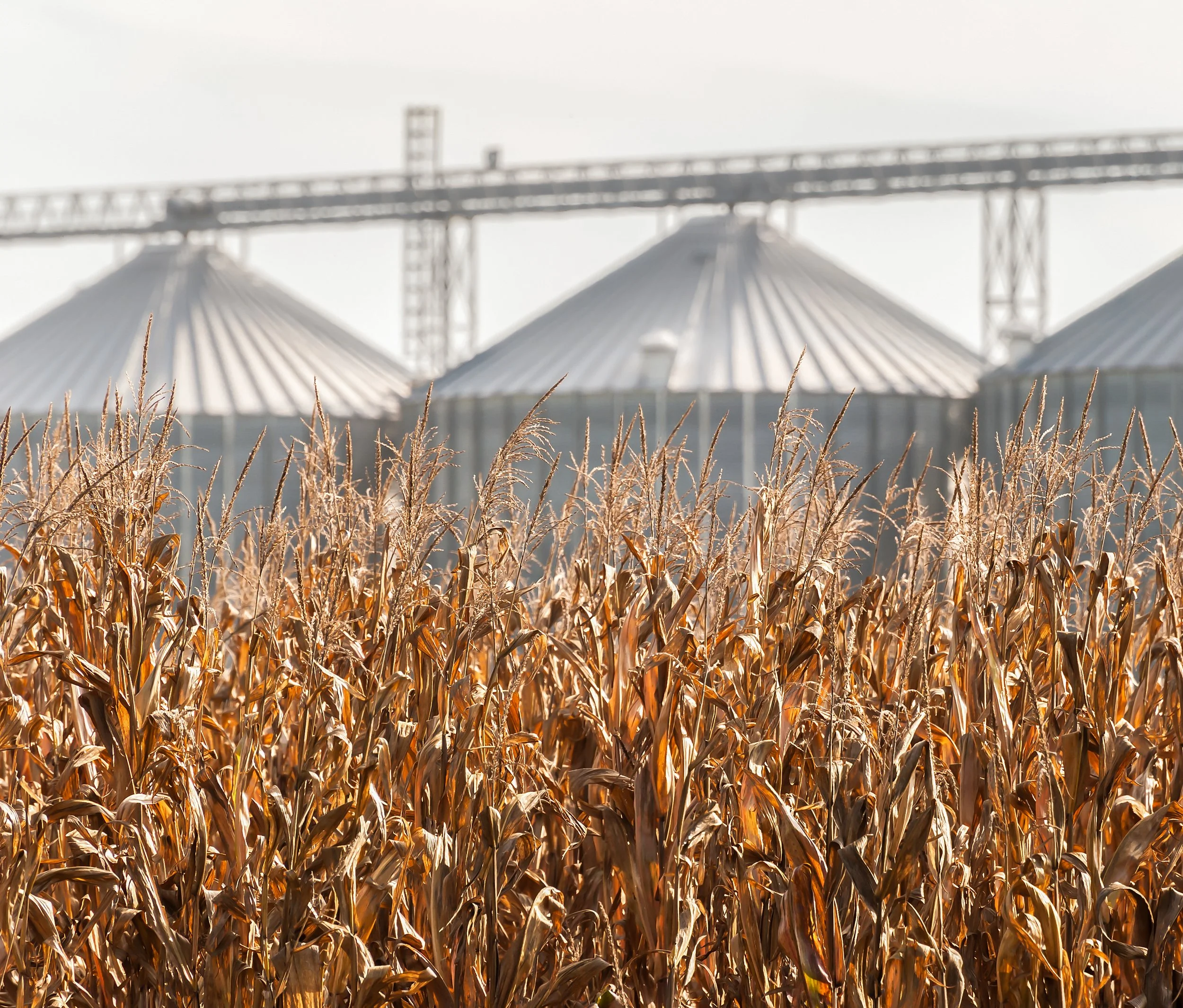
Crops such as corn, wheat, and soy can develop fungal growth in the field or during storage when moisture and temperature conditions allow. Modern large-scale storage systems play an important role in managing these risks.
What Are Mycotoxins?
Mycotoxins are naturally occurring compounds produced by certain types of fungi that grow on crops. These fungi can develop under particular environmental conditions, especially when warmth and moisture are present during crop growth, harvesting, or storage.
Mycotoxins are not a new discovery. They have been studied for decades in a wide range of agricultural commodities including grains, nuts, coffee, spices, dried fruits, and legumes. Because many plant foods originate as crops grown in fields, the presence of fungal organisms in agricultural systems is well understood.
For this reason, food safety monitoring programs around the world routinely test crops and ingredients for these compounds.
What the Study Actually Examined
The study analyzed a variety of plant-based products available on the market and detected measurable levels of mycotoxins across the samples.
However, an important detail is often overlooked in the headlines: the products examined were processed plant-based foods, not whole plant foods.
Many plant-based products on the market today are made using concentrated ingredients such as:
soy protein isolate
pea protein concentrate
wheat gluten
grain-based starches and flours
These ingredients are produced by extracting and concentrating specific components from crops. When crops are processed into highly refined ingredients, they can concentrate not only nutrients but also trace compounds that may be present in the original raw material.
In other words, the study was not examining fresh legumes, grains, or vegetables—it was examining industrial food formulations derived from crops.
A Food System Issue, Not a Plant-Based Issue
Although recent headlines emphasize plant-based foods, mycotoxins originate in crops, not in dietary philosophies.
Many of the same crops that can host fungal growth—corn, wheat, and soy—are also widely used in livestock feed.
Globally, a significant portion of grain production is grown specifically to feed animals rather than humans.
This means contamination at the crop level can influence multiple parts of the food system.
The conversation should not try to place plant foods in shame. The real question is how our modern food system grows, stores, and processes food
Mycotoxins in Animal Feed and Animal Products
When livestock consume contaminated feed, certain mycotoxins may be metabolized within the animal’s body.
In some cases, small amounts can appear in animal-derived foods.
One well-known example is aflatoxin M1, which can occur in milk when dairy cows consume feed containing aflatoxin B1.
Because of this possibility, milk and dairy products in many countries are routinely monitored for aflatoxin residues.
These dynamics illustrate an important reality: mycotoxins are fundamentally an agricultural and supply-chain issue, rather than a problem specific to plant-based diets.
The Role of Modern Food Processing
Another factor highlighted by researchers is the role of large-scale processing and storage.
Modern global food systems rely heavily on:
large monoculture crop production
centralized grain storage facilities
long transportation and supply chains
industrial ingredient processing
Crops may be stored in large silos or warehouses for extended periods before being processed into food ingredients. Under certain environmental conditions—particularly humidity and temperature fluctuations—fungal growth can occur in stored crops.
This is why grain storage management is a major focus in agriculture and food safety.
When those stored crops are later processed into concentrated ingredients and incorporated into ultra-processed foods, trace compounds that originated in the crop can appear in the finished product.
A System-Level Perspective
It is important to recognize that mycotoxins are not unique to plant-based foods. They have historically been studied in agricultural commodities used across the entire food system.
For example, grains and legumes used as animal feed are routinely tested for mycotoxins because contamination can affect livestock health and productivity. This has long been recognized within the agricultural sector.
In other words, mycotoxins are part of the broader agricultural landscape, not a phenomenon exclusive to plant-based products.
What this study highlights most clearly is the complexity of modern food systems and the importance of crop management, storage practices, and ingredient processing.
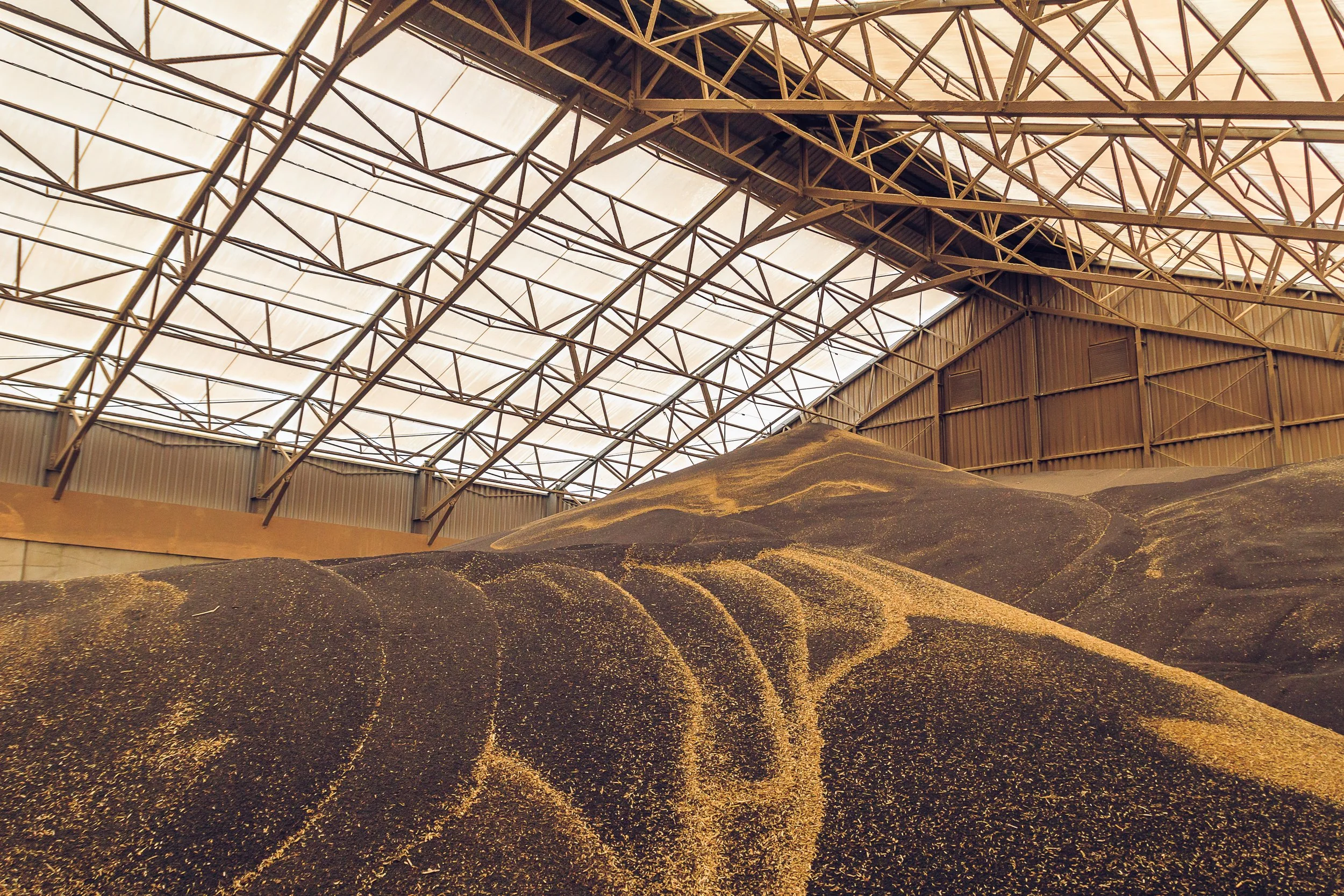
Large-scale grain storage facilities must carefully control moisture and temperature conditions to prevent fungal growth that can produce mycotoxins.
What This Really Means
Findings like these are not an argument against plant foods. They are a reminder of something much simpler: the more food is processed, fractionated, stored, and reformulated into industrial products, the further it moves from its natural state.
Whole foods—grains, legumes, vegetables, fruits, nuts, and seeds—grown in healthy soils and handled with care remain the foundation of a nourishing diet.
In the end, the lesson is simple: the closer food is to its natural form, the better it is for us.
Study Reference
The research discussed in this article can be found here:
Mycotoxins in plant-based meat analogues: Occurrence and risk assessment.
Available at: https://www.sciencedirect.com/science/article/pii/S0956713525007790
The study was conducted as part of European Union–funded research programs under Horizon Europe, including the FunShield4Med and PRISMA projects, which support collaborative food safety and agricultural research.